5 Heating Problems Charleston Homeowners Should Fix Before Winter
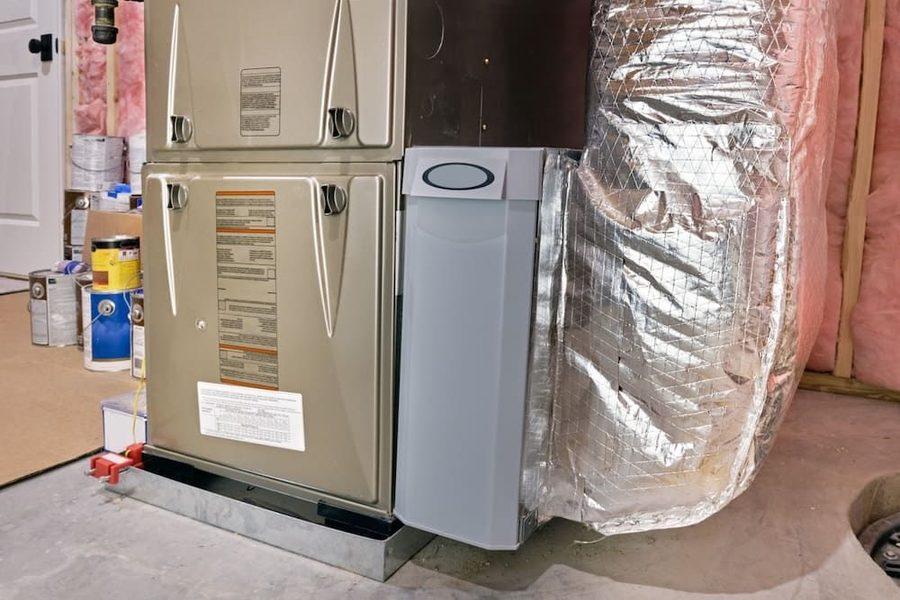
Winter in Charleston, WV, brings freezing temperatures, chilly mornings, and occasional snowfall. As temperatures drop throughout the Kanawha Valley, homeowners depend on their furnaces and heat pumps to maintain comfortable indoor conditions.
Unfortunately, minor heating problems that go unnoticed during fall can become more serious when equipment operates more frequently. Uneven temperatures, strange noises, and rising energy bills may all indicate developing HVAC problems.
Addressing these warning signs before the coldest weather arrives can help reduce the risk of unexpected breakdowns and costly emergency repairs.
What Heating Problems Should Charleston Homeowners Fix Before Winter?
Charleston homeowners should address uneven heating, unusual equipment noises, frequent short cycling, weak or lukewarm airflow, and unexplained increases in heating bills before winter. These problems may indicate restricted airflow, worn components, thermostat malfunctions, or declining system efficiency.
Whether your home uses a furnace or a heat pump, recognizing these five heating problems early can help you prepare for colder weather.
1. Uneven Heating and Cold Spots Throughout Your Home
Does your living room feel comfortable while your bedrooms remain noticeably colder? Uneven heating can make maintaining consistent indoor comfort difficult.
Why Are Some Rooms in My House Colder Than Others?
Common causes include:
Blocked supply or return vents
Dirty air filters
Leaking or poorly insulated ductwork
Improper thermostat placement
Insufficient home insulation
Incorrectly sized heating equipment
Older Charleston homes may experience additional comfort challenges because of aging ductwork, drafty windows, or inadequate insulation.
How Can You Fix Uneven Heating Before Winter?
Start by replacing dirty air filters and moving furniture away from heating vents. Check windows and doors for noticeable drafts.
If temperature differences persist, a professional HVAC inspection can help determine whether ductwork problems, airflow restrictions, or equipment malfunctions are responsible.
Uneven heating doesn’t automatically mean your heating system needs replacement.
2. Unusual Noises Coming From Your Furnace or Heat Pump
Most heating systems produce some sound during normal operation. However, new, persistent, or increasingly loud noises may indicate mechanical or electrical problems.
What Heating System Noises Should You Never Ignore?
Pay attention to the following sounds:
Banging or booming: May indicate ductwork problems or delayed ignition in a gas furnace.
Squealing: Could indicate worn blower motor bearings or belt problems in older equipment.
Grinding: May signal damaged or misaligned mechanical components.
Rattling: Could result from loose panels or internal parts.
Persistent buzzing or clicking: May indicate electrical or ignition problems.
Increased heating demand during winter can worsen existing mechanical issues.
If you hear severe grinding or a loud boom during gas furnace ignition, stop using the equipment and arrange professional inspection.
If you smell gas or a carbon monoxide alarm sounds, leave your home immediately and contact emergency services or the appropriate utility from a safe location.
3. Your Heating System Keeps Turning On and Off
A heating system that repeatedly starts and shuts down before reaching the desired indoor temperature may be short cycling.
Why Does My Heating System Keep Short Cycling?
Potential causes include:
Clogged air filters
Restricted airflow
Thermostat malfunctions
Overheating furnace components
Faulty temperature sensors
Improperly sized equipment
Heat pump refrigerant or control problems
Normal heating cycles vary depending on outdoor temperatures, thermostat settings, and equipment design.
However, unusually frequent cycling deserves attention.
Can Short Cycling Damage Your Heating System?
Repeated startup and shutdown can increase component wear, reduce heating efficiency, and prevent consistent indoor temperatures.
If replacing a dirty filter and checking thermostat settings doesn’t resolve the issue, schedule professional heating repair before winter demand increases.
4. Weak Airflow or Lukewarm Air Coming From Your Vents
Your heating system should deliver enough warm air to maintain your home’s desired temperature.
Weak airflow or inadequate heating can indicate that your equipment isn’t operating properly.
Why Is My Heating System Blowing Lukewarm Air?
Possible causes include:
Incorrect thermostat settings
Dirty air filters
Blower motor problems
Leaking ductwork
Furnace ignition problems
Heat pump refrigerant issues
Heat pumps typically deliver air at lower temperatures than furnaces. Moderately warm air doesn’t necessarily indicate a malfunction if your home remains comfortable.
What Causes Weak Airflow From Heating Vents?
Restricted filters, blocked vents, damaged ductwork, and blower motor malfunctions can all reduce airflow.
If your vents produce weak airflow while indoor temperatures continue falling, professional heating diagnostics may be necessary.
Addressing these problems before freezing temperatures arrive can help restore consistent comfort.
5. Your Heating Bills Are Increasing Without Explanation
Higher heating bills are expected when outdoor temperatures drop. However, an unexplained increase in energy consumption may indicate that your heating system is losing efficiency.
Why Is My Heating Bill Suddenly So High?
Common causes include:
Dirty air filters
Aging heating equipment
Leaking ductwork
Thermostat problems
Worn heating components
Excessive auxiliary heat usage in heat pumps
Poor insulation or air leaks
Compare your energy consumption with previous billing periods while considering temperature changes and utility rates.
How Can You Improve Heating Efficiency Before Winter?
Replace dirty air filters, seal noticeable drafts around windows and doors, and keep heating vents unobstructed.
If energy consumption continues increasing without explanation, professional heating maintenance can help identify performance issues contributing to higher operating costs.
Why Is Heating Maintenance Important Before Winter in Charleston, WV?
Preventative heating maintenance gives homeowners an opportunity to address developing problems before their equipment faces increased winter demand.
During a professional heating tune-up, technicians may:
Evaluate thermostat operation.
Inspect electrical connections and safety controls.
Check blower motor performance.
Evaluate airflow and filter condition.
Inspect furnace ignition and combustion components.
Check heat pump operation and defrost controls.
Assess overall heating performance.
Although routine maintenance cannot prevent every breakdown, it can help identify worn components, improve operating efficiency, and support reliable heating throughout winter.
Should You Repair or Replace Your Heating System Before Winter?
Not every heating problem requires equipment replacement. If your system is otherwise reliable and the issue involves an individual component, repair may be the more practical option.
However, replacement may be worth considering if your heating system experiences frequent breakdowns, declining efficiency, expensive repairs, or persistent comfort problems.
A professional HVAC evaluation can help you compare repair costs, equipment condition, and long-term heating needs.
Pre-Winter Heating Maintenance Checklist for Charleston Homeowners
Before the coldest winter temperatures arrive:
Test your heating system.
Replace dirty air filters.
Check thermostat settings and batteries.
Keep supply and return vents unobstructed.
Listen for unusual equipment noises.
Monitor for frequent short cycling.
Check for uneven indoor temperatures.
Clear leaves and debris from around outdoor heat pump units.
Test smoke and carbon monoxide alarms.
Schedule professional heating service for persistent problems.
Get Your Charleston Home Winter-Ready With Al Marino
West Virginia winters can place increased demand on your home’s heating system. Addressing uneven heating, unusual noises, short cycling, weak airflow, and declining efficiency now can help prevent interruptions to your comfort when temperatures drop.
Whether your furnace is making strange noises, your heat pump is struggling to maintain comfortable temperatures, or your system needs seasonal maintenance, professional service can help identify the problem and restore dependable performance.
Don’t wait until freezing temperatures arrive to address your heating problems. Contact Al Marino today to schedule heating repair or maintenance in Charleston, WV, and keep your home warm and comfortable throughout winter.
Contact Us Today