Furnace or Heat Pump? How to Prepare Your Charleston Heating System for Winter
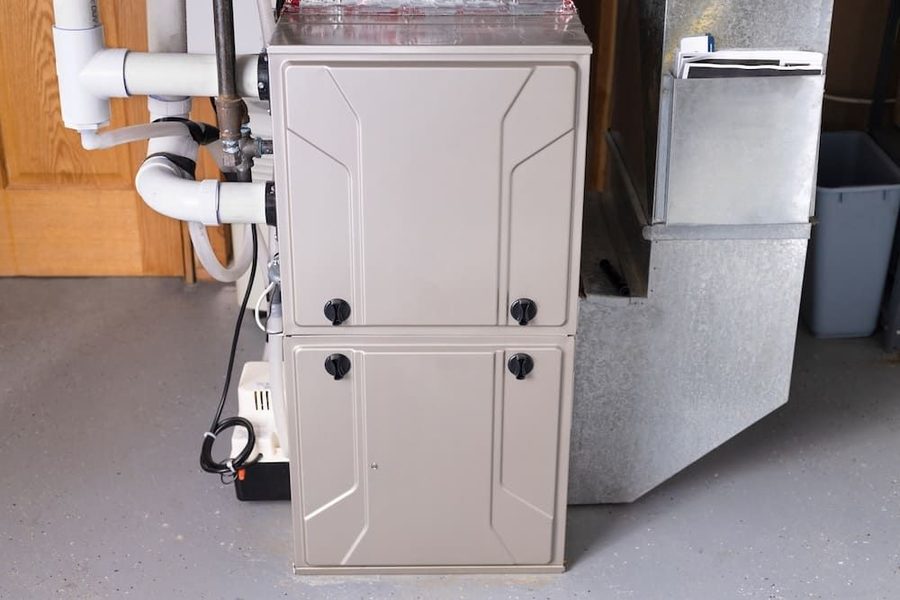
As temperatures begin dropping in Charleston, West Virginia, your heating system becomes one of the most important pieces of equipment in your home. Whether you rely on a furnace, heat pump, or dual-fuel system, preparing it before winter can help identify problems before you need dependable heat every day.
Furnaces and heat pumps do not operate exactly the same way, which means their winter maintenance needs are different. However, both benefit from professional maintenance, proper airflow, a clean filter, and early attention to performance problems. Here is how Charleston homeowners can prepare their heating systems for the colder months ahead.
How Should You Prepare Your Heating System for a Charleston Winter?
Prepare your Charleston heating system for winter by scheduling professional HVAC maintenance, inspecting the air filter, testing the thermostat and heating mode, clearing vents, and addressing unusual noises, odors, or performance problems before cold weather arrives.
Heat pump owners should also make sure the outdoor unit is clear of leaves and debris, while homeowners with fuel-burning furnaces should pay particular attention to professional inspection of combustion and venting components.
The goal is to make sure your equipment is ready before it faces regular winter heating demand.
Do You Have a Furnace or a Heat Pump?
Knowing which type of heating system you have is the first step toward understanding how to prepare it.
Furnace
A furnace generates heat. Depending on the system, it may use natural gas, another fuel, or electricity. A blower then moves heated air through the home’s ductwork.
Homes with furnaces commonly use separate central air conditioning equipment for summer cooling.
Heat Pump
A heat pump transfers heat rather than relying entirely on combustion or electric resistance heating. During winter, it extracts available heat from outdoor air and transfers it indoors.
Unlike a conventional AC condenser, the outdoor portion of a heat pump operates during both cooling and heating seasons.
Some homes also have dual-fuel systems, which combine a heat pump with a furnace. The system can switch between the two heat sources based on its controls and operating conditions.
When Should Charleston Homeowners Prepare for Winter?
Early to mid-fall is generally a practical time to schedule heating maintenance in Charleston.
You do not need to wait until the first freezing night. In fact, testing your furnace or heat pump before you depend on it regularly gives you an opportunity to discover problems while temperatures are still relatively mild.
If fall has already passed, however, do not assume you missed your opportunity. Heating maintenance can still be beneficial during winter.
How to Prepare Your Furnace for Winter
Furnace preparation involves more than simply turning up the thermostat to make sure warm air comes from the vents.
Schedule Professional Furnace Maintenance
The exact maintenance process depends on your equipment and manufacturer, but professional furnace service may include:
Inspecting major heating components
Checking burners and ignition components where applicable
Evaluating the heat exchanger
Inspecting electrical connections
Checking the blower and airflow
Inspecting venting and exhaust components
Testing applicable safety controls
Checking thermostat operation
Confirming proper startup and shutdown
Fuel-burning equipment contains components that should be inspected and serviced by trained professionals rather than treated as a DIY maintenance project.
Inspect the Furnace Filter
A dirty HVAC filter can restrict airflow and interfere with heating performance.
Check the filter before heating season and replace it when necessary according to the filter and equipment manufacturer’s recommendations. Replacement frequency varies based on filter type, system use, pets, household conditions, and other factors.
Test the Furnace Early
Turn on heating mode before Charleston experiences consistently cold weather.
Confirm that the furnace starts and produces heat. Pay attention to unusual noises, persistent odors, unexpected shutdowns, or other changes from normal operation.
If something seems wrong, schedule service rather than opening the furnace and attempting an internal repair.
How to Prepare Your Heat Pump for Winter
Heat pumps require some additional winter preparation because their outdoor equipment remains active throughout heating season.
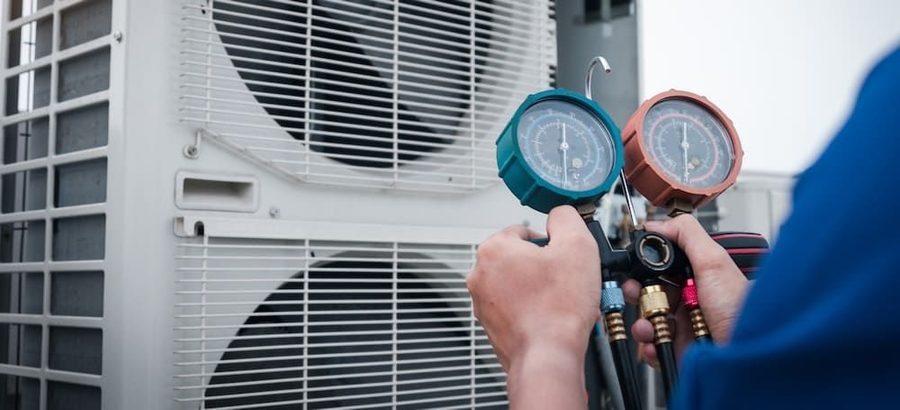
Schedule Professional Heat Pump Maintenance
A technician may evaluate:
Indoor and outdoor coils
Refrigerant system operation
Electrical components
Blower and airflow
Outdoor fan operation
Thermostat and controls
Defrost operation
Auxiliary or backup heating components
The specific maintenance procedures depend on your system.
Clear the Outdoor Unit
Leaves, vegetation, and other debris can restrict airflow around the outdoor heat pump.
Keep the surrounding area clear while following the manufacturer’s clearance recommendations. Do not cover an operating heat pump for winter. Unlike an AC-only outdoor unit that remains off during heating season, a heat pump needs airflow around the outdoor equipment to heat your home.
Pay Attention to Ice Buildup
A small amount of frost can occur on an outdoor heat pump during cold, damp weather. Heat pumps are designed to periodically enter a defrost cycle to address normal frost accumulation.
A heat pump that remains heavily covered in ice, repeatedly develops excessive ice, or does not appear to defrost properly may need professional attention.
Do not chip ice off the equipment, as this could damage components.
What Is Different About Furnace and Heat Pump Maintenance?
Both systems require attention to airflow, electrical components, filters, thermostats, and overall performance. The biggest differences relate to how they produce or transfer heat.
For a fuel-burning furnace, professional winter preparation may focus more heavily on combustion, ignition, the heat exchanger, venting, and related safety components.
For a heat pump, maintenance includes the refrigeration system, outdoor coil and fan, defrost controls, and auxiliary or backup heating equipment when present.
Understanding these differences helps homeowners avoid applying furnace maintenance advice to a heat pump or vice versa.
Should You Change Your HVAC Filter Before Winter?
Fall is an excellent time to inspect your HVAC filter, regardless of which heating system you have.
If the filter is visibly dirty or has reached its recommended replacement point, install an appropriate replacement.
Do not assume that installing the highest-efficiency filter available will automatically improve your HVAC system. Filters differ in airflow resistance, and your heating equipment must be capable of accommodating the filter you choose.
If you are unsure which filter is appropriate, ask your HVAC professional.
Test Your Thermostat Before Temperatures Drop
Before winter, switch your thermostat to heating mode and confirm that the heating system responds normally.
Check thermostat batteries if your model uses them and review programmed schedules or temperature settings that may have changed during cooling season.
Heat pump owners should also understand their thermostat’s emergency heat setting. Emergency heat is generally intended for situations where normal heat pump operation is unavailable or when the system specifically requires it. It should not be used simply because you want the house to warm faster.
Keep Supply and Return Vents Clear
Your furnace or heat pump depends on adequate airflow to distribute heat.
Walk through your home and make sure furniture, rugs, curtains, boxes, and other belongings are not blocking supply registers or return vents.
Avoid intentionally closing large numbers of vents as a general strategy for reducing heating costs. Restricting airflow can interfere with how a central HVAC system is designed to operate.
Test Smoke and Carbon Monoxide Alarms
Before heating season, test your home’s smoke and carbon monoxide alarms according to manufacturer instructions.
Carbon monoxide is colorless and odorless, making properly functioning CO alarms especially important in homes with fuel-burning equipment.
Professional furnace maintenance does not replace carbon monoxide alarms. If a CO alarm activates, follow the alarm manufacturer’s instructions and emergency guidance rather than trying to troubleshoot the furnace yourself.
What Are the Signs Your Heating System Needs Repair?
Do not wait for routine maintenance if your furnace or heat pump is already showing signs of a problem.
Schedule heating repair if you notice:
Difficulty starting the system
Weak airflow
Uneven heating
Unexpected shutdowns
Frequent or abnormal cycling
Unusual noises
Persistent unusual odors
Heat pump icing that does not clear normally
Sudden changes in heating performance
Unexpected increases in energy consumption
These symptoms can have multiple causes, so professional diagnosis is important.
Is It Normal for a Heat Pump to Run Longer Than a Furnace?
Yes. A heat pump can operate for longer periods than a furnace, particularly as outdoor temperatures decrease.
Heat pumps and furnaces deliver heat differently, so comparing their cycle lengths directly can be misleading. Longer heat pump operation does not automatically indicate a malfunction.
Instead, pay attention to whether your home maintains the thermostat setting and whether the equipment is operating normally.
Do You Need to Replace Your Heating System Before Winter?
Not necessarily. An older furnace or heat pump does not automatically require replacement simply because another winter is approaching.
Consider the system’s overall condition, repair frequency, heating performance, efficiency, safety concerns, repair costs, and parts availability.
A professional inspection can provide useful information about the equipment’s current condition so you can make a more informed repair or replacement decision.
Prepare Your Charleston Heating System With Al Marino Inc.
Whether your Charleston home relies on a furnace or heat pump, preparing the equipment before winter can help you identify maintenance needs and potential problems before colder temperatures increase heating demand.
Check your filter, test the thermostat, keep vents clear, maintain a clear area around outdoor heat pump equipment, and pay attention to changes in system performance. Most importantly, schedule professional maintenance to evaluate the components homeowners cannot safely inspect themselves.
Contact Al Marino Inc. to schedule furnace or heat pump maintenance in Charleston, WV, and get your heating system ready for the winter ahead.
Contact Us Today