Is Your Thermostat Broken or Is It Your HVAC? A Guide for Charleston Homeowners
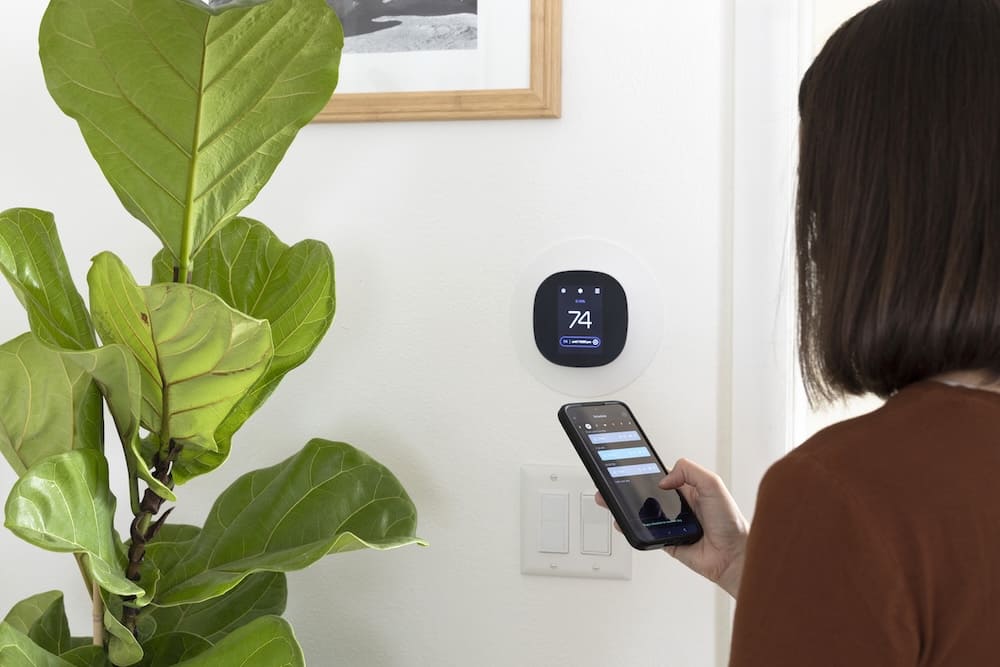
Living in the Kanawha Valley means preparing your home for true seasonal contrasts. From muggy, 90-degree summer afternoons along the river to winter freezes rolling down off the mountains, Charleston homeowners rely heavily on their heating and cooling systems to maintain a safe, comfortable indoor climate.
When your home suddenly feels like a sauna in July or a deep freezer in January, it is natural to fear the worst: a complete, expensive HVAC system breakdown. However, the root cause of your discomfort might not be your bulky furnace or outdoor heat pump at all. It could simply be a communication failure occurring at your wall controller.
Distinguishing between a broken thermostat and a failing HVAC unit saves you time, prevents unnecessary repair anxiety, and helps you communicate clearly when you call for service. Al Marino Inc. has been keeping homes comfortable across Charleston, Teays Valley, and Huntington since 1952. This guide breaks down how to determine whether your thermostat or your HVAC unit is at fault, and what steps to take next.
Understanding the Relationship: The Brain vs. The Muscle
To troubleshoot your system effectively, it helps to understand how these two components work together. Think of your thermostat as the brain of your home comfort system, while your HVAC equipment (the furnace, heat pump, or air conditioner) acts as the muscle.
When the indoor temperature shifts, the thermostat senses the change and sends a low-voltage electrical signal (typically 24 volts) down your control wires to your HVAC system’s control board. Upon receiving that signal, the control board activates the appropriate high-voltage components, engaging the compressor, ignition system, or blower motor to condition and circulate air throughout your home.
If the brain fails to send the signal, the muscle will not move. Conversely, if the signal arrives cleanly but the muscle is damaged or lacking power, nothing happens either. Isolating where that communication breaks down is the key to solving the problem.
Sign 1: The Thermostat Screen Display Status
The most immediate clue sits directly on your living room wall. Evaluating your thermostat’s display screen gives you instant insight into its operational health.
Blank or Unresponsive Screen
If your thermostat screen is completely dark, unresponsive to touch, or fading in and out, the control unit has lost power.
- The Thermostat Cause: Most digital and programmable thermostats rely on internal AA or AAA batteries as a power backup, even if they are wired directly into the wall. Dead batteries are the single most common cause of a blank screen. If replacing the batteries does not illuminate the display, the thermostat’s internal wiring or backplate connections may have failed.
- The HVAC Cause: Many modern thermostats draw continuous power directly from your HVAC unit’s 24-volt transformer via a dedicated wire (the “C-wire”). If an electrical surge trips the circuit breaker for your air handler or furnace, or if a blown low-voltage fuse on the indoor control board cuts power, your thermostat display will go completely blank, even if the thermostat itself is functioning properly.
Sign 2: Short-Cycling and Temperature Mismatches
Does your air conditioner or furnace kick on for a brief 60 seconds, shut down abruptly, and then attempt to restart a few minutes later? This rapid, erratic behavior is known as short-cycling, and it places extreme mechanical strain on your equipment.
Inaccurate Temperature Readings
Take a separate, reliable indoor thermometer and place it right next to your wall thermostat. Allow it to sit for 15 minutes, then compare the two readings. If your wall thermostat claims your living room is 72°F, but the independent thermometer reads 78°F, the thermostat’s internal thermistor (temperature sensor) has drifted out of calibration. Because the thermostat falsely believes the target temperature has been reached, it signals the HVAC system to shut down prematurely.
Sensor Misplacement and Drafts
A thermostat is only as accurate as the air immediately surrounding it. If your wall controller is mounted in direct sunlight, right next to a drafty exterior door, or directly above a supply air vent, it will read localized temperature spikes or drops that do not reflect the rest of your home. Relocating the thermostat to a central interior wall often resolves chronic short-cycling.
Step-by-Step DIY Diagnostic Checklist for Homeowners
Before calling a professional technician, run through this safe, quick troubleshooting checklist to rule out simple control errors:
- Replace the Thermostat Batteries: Remove the front faceplate of your wall unit and install fresh, name-brand alkaline batteries.
- Check Your Main Electrical Panel: Walk over to your breaker box and verify that the dedicated switches for both your “Heating/Furnace” and “Air Conditioner/Outdoor Unit” are fully in the ON position. If a breaker has tripped to the middle position, flip it firmly to OFF, then back to ON.
- Verify the Emergency Shut-Off Switch: Look near your indoor furnace or air handler (often located in a basement, utility closet, or attic). Ensure the toggle switch, which looks just like a standard light switch, was not accidentally bumped into the OFF position.
- Inspect Your Air Filter: A completely clogged, dust-choked air filter restricts airflow so severely that your HVAC unit’s internal safety switches will trip to prevent the compressor or heat exchanger from overheating, forcing the system to shut down regardless of what the thermostat demands.
- Set a Direct Manual Test: Flip your thermostat setting to “Cool” (in summer) or “Heat” (in winter), set the target temperature 5 degrees beyond the current room reading, and switch the fan setting from “AUTO” to “ON.” If the indoor blower fan turns on and runs continuously, the thermostat is successfully sending a signal to your air handler.
When It Is Definitely an HVAC Equipment Failure
If your thermostat screen is lit, set to the correct mode, properly calibrated, and actively displaying a “Cool On” or “Heat On” call signal, but your home remains uncomfortable, the issue lies within the mechanical HVAC system itself.
Key Indicators of Equipment-Level Failures:
- Lukewarm or Warm Air from Vents: If the blower fan runs continuously but the air coming out of your registers is warm during a cooling call, your outdoor AC compressor may have a blown run capacitor, or your system may have lost refrigerant due to a coil leak.
- Aggressive Mechanical Noises: Loud screeching, grinding, or metal-on-metal clanging sounds originating from your outdoor condenser or basement furnace point directly to motor bearing failures, loose fan blades, or cracked heat exchangers.
- Frequent Breaker Tripping: If turning on your cooling or heating system causes the main circuit breaker to trip instantly every time, a heavy electrical component, such as the compressor windings or blower motor, has shorted to ground.
- Standing Water Around the Indoor Unit: Modern HVAC systems feature float switches in the condensate drain pan. If the drain line clogs with algae, the float switch trips to cut power to the system, preventing water from overflowing onto your floors.
“Call the Al!” for Fast, Reliable HVAC Diagnostic Care
Understanding the boundary between control errors and mechanical equipment failures helps you protect your home’s utility infrastructure. While swapping out batteries or checking circuit breakers are easy tasks for any homeowner, opening high-voltage electrical panels, handling chemical refrigerants, testing low-voltage control circuits, and servicing complex furnace burners requires certified trade expertise and specialized diagnostic tools.
Ignoring chronic short-cycling, running a system with a failing capacitor, or forcing an uncalibrated thermostat to continuously cycle an overtaxed compressor leads directly to inflated monthly utility bills and premature equipment failure. Partnering with a trusted local professional ensures that both the “brain” and the “muscle” of your home comfort system are perfectly synchronized, preserving equipment longevity and delivering consistent, energy-efficient comfort through every West Virginia season.
Don’t let a thermostat mystery ruin your indoor comfort. When you need expert help, Call the Al!
Contact Us Today