Why Fall Is a Good Time to Flush Your Water Heater in Charleston
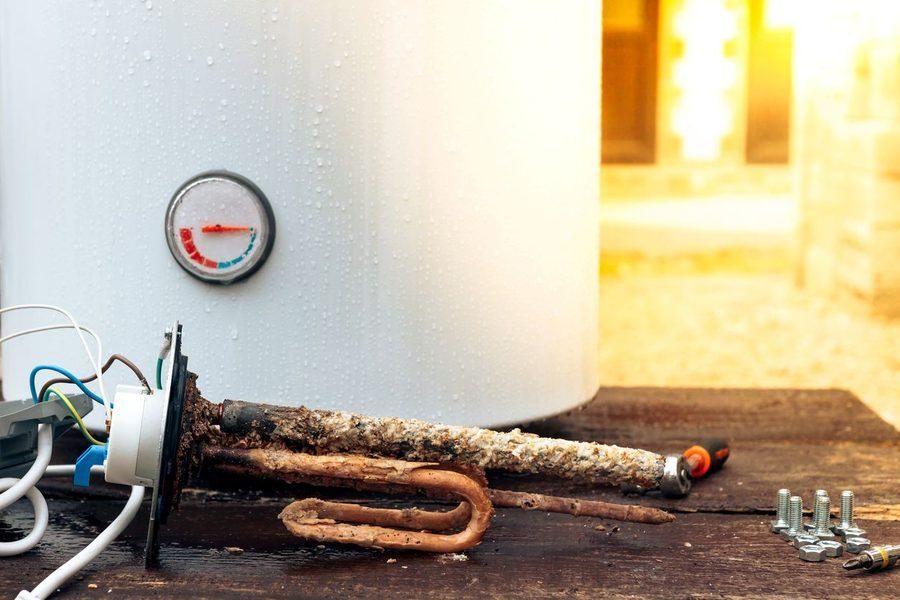
As temperatures begin to drop in Charleston, homeowners start preparing furnaces, plumbing, and other household systems for colder weather. Your water heater deserves a place on that fall maintenance checklist, too. After months of regular use, sediment may have accumulated at the bottom of a traditional storage tank.
Flushing a water heater can help remove loose sediment when the service is appropriate for the equipment. Fall is a convenient time to consider this maintenance before colder weather makes reliable hot water even more important. However, not every water heater should automatically be flushed each fall, especially if an older unit has gone years without maintenance.
Why Should You Flush a Water Heater?
Flushing a traditional tank water heater can help remove loose sediment that has settled at the bottom of the tank. Fall is a practical time for Charleston homeowners to consider this maintenance because it provides an opportunity to check water heater performance and address potential problems before winter.
How frequently a water heater should be flushed depends on factors including water conditions, household usage, equipment design, maintenance history, and manufacturer recommendations.
Rather than following a universal schedule, homeowners should consider the needs and condition of their specific water heater.
Where Does Water Heater Sediment Come From?
Water naturally carries minerals and other materials. As water enters a storage water heater and is heated, some material can eventually settle at the bottom of the tank.
The amount and rate of sediment accumulation can vary significantly from one household to another. Factors that can affect it include:
Local water conditions
Household water consumption
Water temperature
Water heater design
Equipment condition
Previous maintenance
A small amount of sediment does not automatically mean your water heater has a serious problem. Over time, however, significant accumulation can potentially affect how the equipment operates.
How Can Sediment Affect a Water Heater?
Sediment can take up space inside the tank and, depending on the water heater’s design, interfere with heat transfer.
One commonly associated symptom is popping or rumbling during operation. In some water heaters, water trapped around sediment deposits can produce noises as the unit heats.
You might also notice changes in the amount of available hot water or the system’s overall performance.
These symptoms do not prove that sediment is responsible. Water heater noises and performance problems can have several causes, which is why persistent changes should be properly diagnosed.
Why Is Fall a Good Time for Water Heater Maintenance in Charleston?
There is nothing about fall that makes it the only time a water heater can be maintained. Instead, the season provides Charleston homeowners with a practical opportunity to check the system before colder weather.
Hot Water Performance Becomes More Important
As temperatures fall, reliable hot water becomes especially noticeable during showers, laundry, dishwashing, and everyday cleaning.
Incoming water temperatures can also vary seasonally. When incoming water is colder, the water heater has to raise its temperature farther to reach the desired setting. That can make an existing performance problem more apparent.
Checking the system during fall gives you an opportunity to address issues before winter.
It Fits Into Your Fall Home Maintenance Routine
Fall is already a popular time to prepare household systems for cold weather.
While checking your heating system, outdoor plumbing, and other equipment, it makes sense to consider the condition of your water heater as well.
Combining these tasks can make it easier to remember important home maintenance rather than waiting until a problem develops.
You Can Identify Problems Before Winter
Water heater maintenance is also an opportunity to look for signs that the equipment needs attention.
Visible leaks, corrosion, unusual noises, inconsistent water temperatures, or declining hot water capacity should not be ignored.
Identifying these problems in fall may help you address them before colder weather increases your reliance on hot water.
What Are the Signs of Sediment Buildup?
Possible signs that sediment may be affecting a traditional water heater include:
Popping or rumbling noises
Changes in available hot water
Longer or unusual heating cycles
Declining water heater performance
However, these symptoms can also be associated with other water heater problems.
For example, insufficient hot water could involve heating elements, burners, controls, household demand, or other equipment issues. Professional diagnosis can help determine whether sediment is actually responsible.
Should Every Water Heater Be Flushed Every Fall?
No. There is no universal requirement that every water heater be flushed each fall.
Manufacturer recommendations are a good starting point for determining appropriate maintenance. Water conditions, equipment type, household usage, and previous maintenance also matter.
An important consideration is the water heater’s maintenance history.
If an older storage water heater has operated for many years without ever being flushed, aggressively disturbing accumulated material may not be the best first step. The tank may also have corrosion, hardened deposits, or other deterioration that flushing cannot correct.
In these situations, having a plumber evaluate the water heater before flushing it may be the safer approach.
Can Flushing Fix a Noisy Water Heater?
Sometimes, but not always.
Loose sediment can contribute to popping or rumbling noises in certain tank water heaters. Removing that material may improve the condition if sediment is the actual cause.
Routine flushing, however, may not completely remove hardened mineral deposits that have accumulated over a long period.
Unusual noises can also indicate other equipment problems. If your water heater suddenly becomes noisy or continues making sounds after appropriate maintenance, have it inspected rather than assuming additional flushing will solve the problem.
Does Flushing Make a Water Heater More Efficient?
Flushing can help maintain water heater performance when loose sediment is interfering with normal operation.
However, homeowners should be cautious about claims that flushing automatically produces a specific reduction in energy bills.
Water heater efficiency depends on numerous factors, including the equipment’s design and condition, temperature setting, household hot water consumption, installation, and fuel or energy source.
Think of flushing primarily as preventive maintenance rather than a guaranteed energy-saving solution.
What About Tankless Water Heaters?
Tankless water heaters require a different approach.
Because they do not store a large tank of hot water, they do not accumulate sediment at the bottom of a storage tank in the same way. However, minerals can accumulate within a tankless water heater’s heat exchanger and other water-contact components.
Depending on water conditions and manufacturer requirements, periodic cleaning or descaling may be recommended.
If you have a tankless system, follow the maintenance guidance for your specific equipment rather than applying traditional tank-flushing recommendations.
When Is Replacement Better Than Flushing?
Flushing is maintenance. It cannot repair a deteriorated water heater.
Replacement may be worth considering when a water heater has:
A leaking tank
Significant corrosion
Persistent performance problems
Frequent repair needs
An overall condition that makes continued repairs impractical
Age can be one consideration, but there is no single age at which every water heater must be replaced. Condition, reliability, performance, and repair history provide a more complete picture.
Prepare Your Water Heater for Colder Weather With Al Marino Inc.
Fall is a convenient time to make sure your water heater is prepared for the colder months ahead. When appropriate, flushing can remove loose sediment and become part of a broader water heater maintenance routine.
If your water heater is older, has an unknown maintenance history, or is showing signs of trouble, professional evaluation can help determine whether flushing, repair, or replacement makes the most sense.
Contact Al Marino Inc. for professional water heater maintenance, repair, and replacement in Charleston, WV. Our team can help keep your home’s hot water system ready for fall and winter.
Contact Us Today