Ultimate 5 Reasons For Your Water Heater Leaking
If your home has a water heater, there’s a chance it could start leaking at some point. While a small leak may not seem like a big deal, it can actually lead to some serious problems. That’s why it’s important to be aware of the top five reasons for your water heater leaking, so you can take steps to prevent it from happening. Keep reading to learn more!
1. A water heater leaking from the top may be due to a faulty pressure relief valve.
2. If there is sediment buildup in the tank, it can cause the water heater to leak from the bottom.
3. Corrosion can cause the water heater to leak.
4. Finally, a water heater may be old and needs to be replaced.
A water heater leaking from the top may be due to a faulty pressure relief valve.
A water heater leaking from the top could indicate a faulty pressure relief valve. This part ensures the unit does not build up excessive pressure or overheat, so if it is not working correctly, it can cause excessive pressure and temperatures, and lead to leaks. It’s important to have this issue resolved quickly by a plumber or home repair specialist to avoid further damage or an unsafe situation. A remnant pool of water around your water heater may also indicate other underlying issues, such as failing internal components or a broken hot water outlet pipe, so it’s essential to identify and address the problem early on.
If there is sediment buildup in the tank, it can cause the water heater to leak from the bottom.
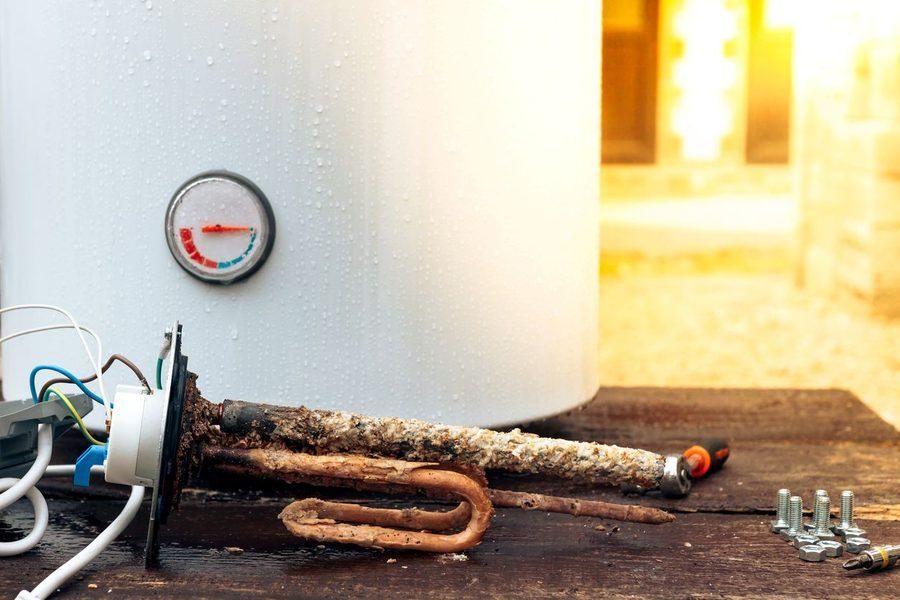
The presence of sediment in your water heater’s tank can wreak havoc on the system. If too much sediment accumulates, it can significantly impede the flow of hot water and lead to damage, such as a leaky tank at the bottom. The accumulation of sediment in your water heater is quite common. It should not be ignored, as it can cause corrosion or other major issues if left unattended for an extended period. Therefore, it is important to periodically flush out sediment buildup in your hot water tank to avoid additional stress on your system.
Corrosion can cause the water heater to leak.
Corrosion is one of the most common causes for a water heater to leak. Corrosion can occur when there is an imbalance in mineral levels, such as calcium and magnesium, in the water within the tank. These minerals act like acids, slowly eating away at the metal parts, weakening them over time and eventually causing them to corrode completely. Once the metal has worn away enough, a small hole or crack can form in the tank, allowing water to leak out.
Finally, a water heater may be old and needs to be replaced.
Is your water heater leaking? If so it could be time to replace your water heater, the decision should not be taken lightly. With advances in energy efficiency technology, if you need a new water heater, it may be an opportune time to upgrade and start saving money on your electric bills.
What should I do if my water heater is leaking?
If your water heater is leaking, it’s important to address the problem quickly to avoid further damage. The first step is to determine the cause of the leak. If you are unable to identify the source of the leak, contact an experienced professional at Al Marino Inc. for help.
Can I still use the water heater if it is leaking?
No, you should not use a water heater that is leaking. If your water heater starts to leak, it could be due to a number of issues, such as a malfunctioning pressure relief valve, sediment buildup, loose connections, or corrosion. All of these potential issues can lead to further damage and even flooding if left unchecked.
What causes a water heater to leak from the bottom?
A faulty pressure relief valve, sediment buildup, loose connections, or corrosion can cause water heater leaks from the bottom. A faulty pressure relief valve allows hot water to escape when it reaches excessive temperatures. Sediment buildup can impede hot water flow and damage the tank if left unattended for an extended period. Loose connections from improper installation can also cause water to leak from the bottom of your water heater. Finally, corrosion can eat holes in the walls of your water heater’s tank, causing it to leak.
How long will a water heater last once it starts leaking?
Depending on the cause of the leak, a water heater can last anywhere from a few weeks to several years after it starts leaking. If the leak is due to a faulty pressure relief valve or loose connections, making the necessary repairs may allow your water heater to continue functioning as normal for many more years. However, if sediment buildup or corrosion has caused the leak, it may be necessary to replace your water heater sooner rather than later to avoid further damage.
If your water heater is leaking, it may be due to a faulty pressure relief valve, sediment buildup, loose connections, or corrosion. In some cases, the only solution is to replace the water heater. No matter the cause of your water heater leak, our experts at Al Marino Inc. can help. We will troubleshoot your problem and determine the best action to fix it quickly and efficiently.
Contact Us Today