How Generator Maintenance Prevents Mid-Winter Emergencies
When winter settles in, you think about your furnace, windows, and drafty doors. Your generator should be on that list, too. A backup system that does not start on a freezing night leaves you in the same position as a house with no backup at all. At Al Marino in Charleston, WV, we help homeowners treat winter generator maintenance as part of normal cold-weather prep so that your system is ready when the lights go out.
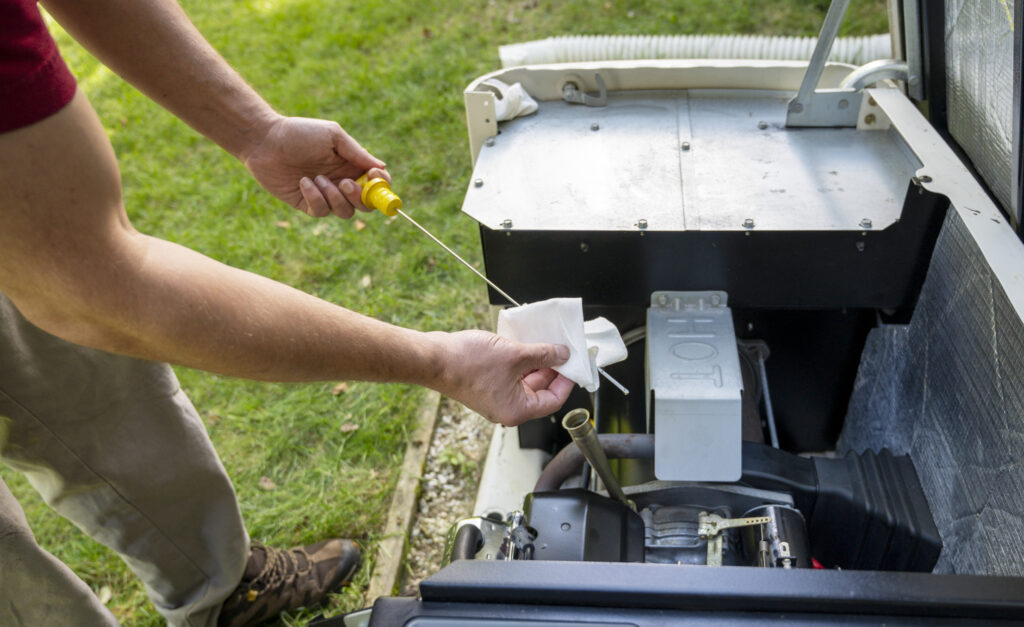
Prevent Mid-Winter Emergencies with Regular Generator Maintenance
Generators sit for long stretches, then have to run hard the moment a storm knocks out power. That pattern can expose weak batteries, stale fuel, clogged filters, and loose electrical connections. If no one has looked at the unit since last winter, you could find a dead starter, a tripped safety, or an engine that shuts down a few minutes after it comes on. Those problems often show up only when the load is real and the house is already cooling down.
Regular maintenance visits catch many of these issues early. A technician checks the battery, tests the charging system, and inspects cables and terminals for corrosion. They replace air and fuel filters when needed, inspect for leaks, and verify that the transfer switch is functioning properly. They can also run the generator under load to see how it behaves in real conditions. This kind of attention lowers the odds that you will wake up to a silent unit during a winter outage.
How to Clean and Inspect Your Generator
You can support professional service with simple cleaning and visual checks. Keep the area around the generator clear of leaves, snow piles, and stored items so that air can move freely through the cabinet. Brush away light debris from vents and louvers. Make sure animals have not built nests nearby and that plants have not grown up against the housing. Good airflow helps the unit stay at a safe operating temperature when it runs for long stretches.
From there, use your eyes and ears. Look for rust spots, loose panels, or any sign that the enclosure has been damaged by wind or fallen branches. Check for oil or fuel puddles under the unit and report them to your technician. When the generator runs, listen for new rattles or grinding that you did not hear last season. Avoid opening electrical compartments or adjusting engine parts yourself. Anything beyond basic cleaning and simple checks should be handled by a licensed professional who can work safely with fuel and high-voltage components.
Essential Tips for Preventing Freezing
Cold weather affects more than comfort inside your home. It also challenges your generator each time it starts. Low temperatures can thicken oil, slow cranking speed, and make starting harder on engines that already struggle. Snow and ice can block vents and damage components if they pile against the housing. Planning for those conditions keeps your system ready when a storm is at its worst.
Ask your technician whether cold-weather kits or block heaters make sense for your model and climate. These accessories help the engine reach a better temperature for starting and running temperature, especially in exposed locations. Make sure the pad around the generator drains well so melting snow does not freeze into a solid block around the base. During a storm, clear snow from around the unit when it is safe to step outside and keep exhaust outlets open. Never build a makeshift shelter that traps exhaust near the house. If your generator sits near a roof line, watch for ice or snow sliding down onto the housing and talk with your contractor about shields or deflectors if needed.
Emergency Generator Repair and Installations
Even with regular care, equipment can still fail. Storms can knock debris into a unit, an old part can give out under heavy load, or you might discover that an aging generator is undersized for your current home. When that happens in the middle of winter, you need clear options and fast help, not a long list of technical terms. A company that works with generators every day can diagnose problems, explain what happened in plain language, and guide you through repair or replacement choices.
Emergency generator repairs might include replacing a failed starter, swapping a damaged control board, or correcting a problem in the transfer switch that routes power between the utility and your home. In some cases, the technician may recommend a new installation, especially if parts are no longer available or the generator cannot support your heating system and other basic needs. A new unit sized for your current electrical load and installed to current electrical and fuel codes gives you a fresh starting point for future winters.
Schedule Your Generator Maintenance in Charleston
Winter outages in Charleston often arrive with cold rain, wind, and dropping temperatures. That is not the moment to find out your generator will not start or cannot carry the load for your furnace, lights, and basic outlets. We handle generator inspections, seasonal tune-ups, emergency repairs, and new installations for homes that want dependable backup power. If your unit has not had a checkup since last winter, schedule generator maintenance with Al Marino now so you can step into the colder months with more confidence in your backup plan.

Contact Us Today