How to Prepare Your AC System for West Virginia’s Early Spring Warm Spells
As the winter frost begins to retreat from the hills of West Virginia, homeowners often look forward to the first signs of spring. However, the transitional weather in our region is notorious for its unpredictability. One week, you might be reaching for a heavy coat, and the next, an early-season warm spell can push temperatures into the 70s or even the 80s. These sudden shifts in weather put a unique strain on your home comfort systems. If you have not used your air conditioner in several months, turning it on suddenly during a hot afternoon can lead to unexpected failures or poor performance. At Al Marino Inc., we have been serving West Virginia families since 1952, and we know that a little preparation goes a long way in ensuring your AC is ready for these early spring surprises.
Preparation is not just about avoiding a breakdown; it is about maximizing efficiency and protecting your investment. When an AC system sits idle through a long Appalachian winter, it can accumulate dust, debris, and even small mechanical issues that are hard to see with the naked eye. By taking a few proactive steps now, you can ensure that your home remains a cool sanctuary during those first unexpected warm days.
This guide will walk you through the essential DIY checks and professional maintenance steps needed to get your system into peak condition before the humidity of summer truly settles in. From clearing winter yard waste to understanding the latest 2026 energy rebates, we have everything you need to know to stay comfortable.
Clearing the Way for Outdoor Airflow
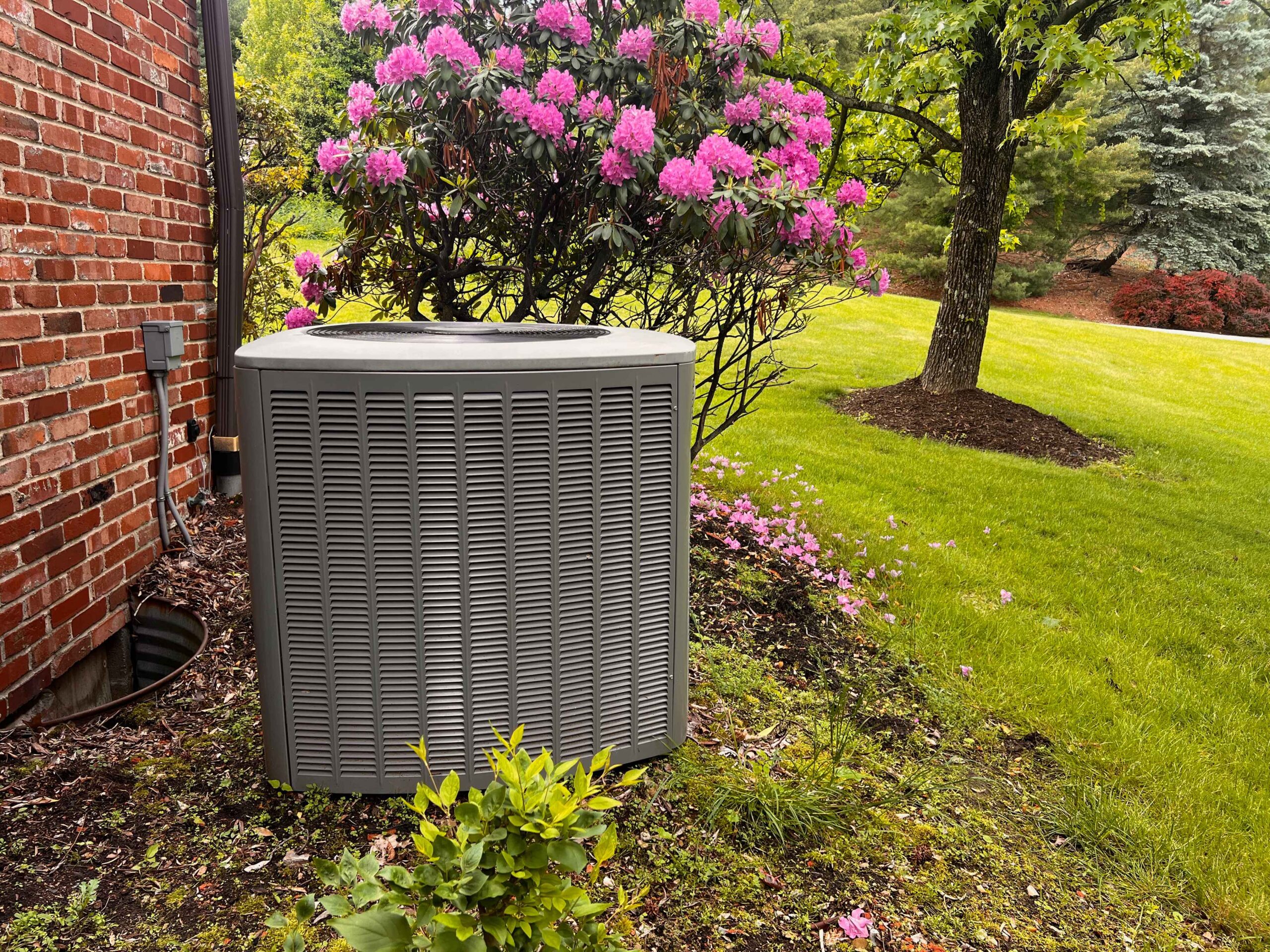
Your outdoor condenser unit is the workhorse of your air conditioning system. During the fall and winter months, it is common for leaves, twigs, and other yard debris to collect around the base and even inside the unit. This buildup is more than just an eyesore; it acts as a barrier that prevents the system from releasing heat effectively.
Essential Outdoor Cleanup Steps
- The Two Foot Rule: Clear all vegetation, weeds, and debris within at least two feet of the outdoor unit to ensure unobstructed airflow.
- Fin Inspection: Gently check the aluminum fins on the side of the unit. If they are covered in dirt or grime, the system will struggle to cool your home, leading to higher utility bills.
- Leveling Check: Winter soil shifts can sometimes cause the concrete pad under your unit to tilt. A level unit ensures that the internal oil and refrigerant remain properly balanced.
Taking ten minutes to tidy up around your condenser can improve your system’s efficiency by up to 15 percent, which makes a noticeable difference when those first warm breezes arrive.
Indoor Maintenance: Filters and Vents
While the outdoor unit handles the heavy lifting, the indoor components of your HVAC system determine the quality of the air you breathe. After months of running the furnace, your air filters are likely reaching the end of their lifespan.
Improving Indoor Air Quality and Flow
- Filter Replacement: Start the spring season with a fresh, high-efficiency pleated filter. Clogged filters are the number one cause of frozen evaporator coils and restricted airflow.
- Vent Obstructions: Walk through your home and ensure that no furniture, rugs, or curtains have been moved over the supply or return vents during the winter.
- Dusting Registers: Use a vacuum attachment to remove dust buildup from your vent covers. This prevents winter allergens from being blasted back into your living space the moment the AC kicks on.
A clean indoor environment reduces the workload on your blower motor, which helps prevent the premature wear and tear that leads to expensive mid-season repairs.
Testing Your System Before the Heat Hits
The worst time to discover your AC is broken is during the first record-breaking afternoon of the year. We recommend a “test run” on a mild day so you can identify any issues while repair schedules are still flexible.
The Spring Test Protocol
- Thermostat Calibration: Switch your thermostat to cooling mode and set the temperature five degrees lower than the current room temperature.
- Auditory Check: Listen for any unusual sounds, such as grinding, squealing, or loud clicking, which could indicate a failing belt or motor.
- Air Temperature: Place a hand near a supply vent. Within a few minutes, you should feel a steady stream of crisp, cool air.
If the air feels lukewarm or the system cycles off almost immediately after starting, you may be dealing with a refrigerant leak or an electrical issue that requires professional attention from the team at Al Marino Inc.
The Value of a Professional Spring Tune-Up
While DIY maintenance is a great start, there are certain technical tasks that only a certified HVAC technician can perform safely. At Al Marino Inc., our spring AC maintenance service is a comprehensive 20-point inspection designed to uncover hidden problems.
What Our Technicians Handle
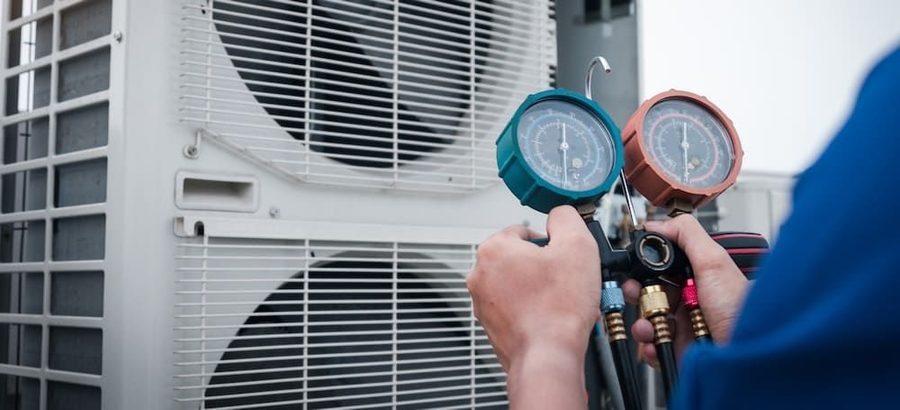
- Refrigerant Level Verification: We ensure your system has the exact amount of coolant required for optimal heat transfer.
- Electrical Connection Tightening: Fluctuating temperatures can cause wires to loosen, which often leads to system shorts or fire hazards.
- Condensate Drain Cleaning: We flush the drain line to prevent algae buildup, which is a common cause of water damage in West Virginia basements and utility closets.
- Coil Cleaning: We use specialized solutions to deep-clean the evaporator and condenser coils, restoring your system to its original factory efficiency.
Professional maintenance is often a requirement to keep your manufacturer’s warranty valid, making it a vital part of your home’s annual upkeep.
2026 Energy Incentives and Upgrades
If your AC system is more than ten years old, those early spring warm spells might be a sign that it is time for an upgrade. In 2026, West Virginia homeowners have access to more financial incentives than ever before for choosing high-efficiency cooling solutions.
Savings Opportunities in West Virginia
- Home Energy Rebates: The West Virginia Office of Energy offers rebates for whole-home efficiency improvements that can cover a significant portion of a new system’s cost.
- Federal Section 25C Credits: You may still be eligible for federal tax credits of up to 600 dollars for qualifying high-efficiency central air units or up to 2,000 dollars for heat pump systems.
- Utility Rebates: Many local electricity providers offer instant rebates for customers who switch to SEER2-compliant equipment.
Our team can help you navigate these programs to ensure you get the best possible value on a modern, whisper-quiet system that will keep your bills low for years to come.
Why West Virginians Call Al Marino for Spring Comfort
For over seven decades, Al Marino Inc. has been the trusted name for home services in Kanawha, Putnam, Cabell, Wayne, Raleigh, and Fayette counties. We understand the specific humidity challenges of the Ohio and Kanawha River valleys and the unique needs of our neighbors. Our technicians are background-checked, drug-tested, and fully committed to your 100 percent satisfaction. When you schedule your spring prep with us, you are not just getting a service call; you are getting the peace of mind that comes with 74 years of local expertise. We take pride in helping our community stay ahead of the weather, ensuring that when the West Virginia sun starts to shine, your home stays perfectly cool.
Trust Al Marino Inc. for Your Spring AC Readiness
The key to a stress-free spring is taking action before the first heatwave arrives. By following this guide and scheduling a professional tune-up, you can protect your comfort, your health, and your wallet. At Al Marino Inc., we are ready to help you prepare your home for whatever weather West Virginia throws our way. Do not let an early warm spell catch you off guard. We offer upfront pricing and same-day service to ensure your home systems are always operating at their best.
Call Al Marino today to schedule your spring AC tune-up and ensure your home is ready for the first warm spell of the season.
Contact Us Today